
The Science
Learn more about the science behind fascia, mobility, and stretching.

Fascia Facts

Fascia is the connective tissue that covers and connects literally everything in our body.
Like a giant spiderweb, it winds around muscle tissue, internal organs, blood vessels, bones and nerves. Fascia gives the body structure, and it serves as shock absorption by distributing force throughout the body. It allows us to know where we are in space (proprioception), and fascia is highly enervated. According to recent studies, fascia might even be the reason why acupuncture works - the fascial meridians coincide with the traditional Chinese acupoints and meridians!
What causes tight fascia? Repetitive movements, physical trauma, stress, lack of movement and dehydration. The key to keeping fascia happy is move, move often, and move in every direction possible! Modalities such as foam rolling, cupping, FST, massage, and acupuncture can also be help to keep fascia supple.

Mobility VS. Stretching

Mobility: the ability to actively control a joint through its full range of motion with ease.Mobility is not about touching your toes, it’s about improving quality of movement. Rather than focusing on just the muscular and joint flexibility, it works the connection between your nervous system, muscles, joints, and connective tissues (especially the fascia)!
Since our body functions as an integrated system rather than isolated parts, this is why mobility is more natural for the body and translates to higher performance.
Consistent mobility can: improve athletic performance, increase flexibility and joint mobility, reduce stiffness and muscle tension, recover faster, improve posture, move with less pain, reduce injury risk, stay active for life
Stretching: Activities or positions that lengthen the muscles and tendons in order to gain flexibilityStretching, while it does serve a purpose, does not treat the body a whole system connected by fascia, and it instead places all emphasis on lengthening muscles. This is why mobility is often the more functional and effective choice.
Did you know there’s different kinds of stretching?
Dynamic – actively moving through your range of motion (sounds kinda like mobility right?) Usually this is used in a warm-up to hydrate muscle and connective tissues, as well as to prime the nervous system for activity
Passive – someone, or something else is taking you into a stretch. Assisted stretch chains use passive, static stretching
Static – stretches that are held for a period of time in order to lengthen the muscle tissue. The problem with static stretching is that it can actually increase your risk of injury by temporarily weakening muscle strength and explosivity. Static stretching also carries a higher risk of overstretching. This is why static stretching is recommended for after an activity.
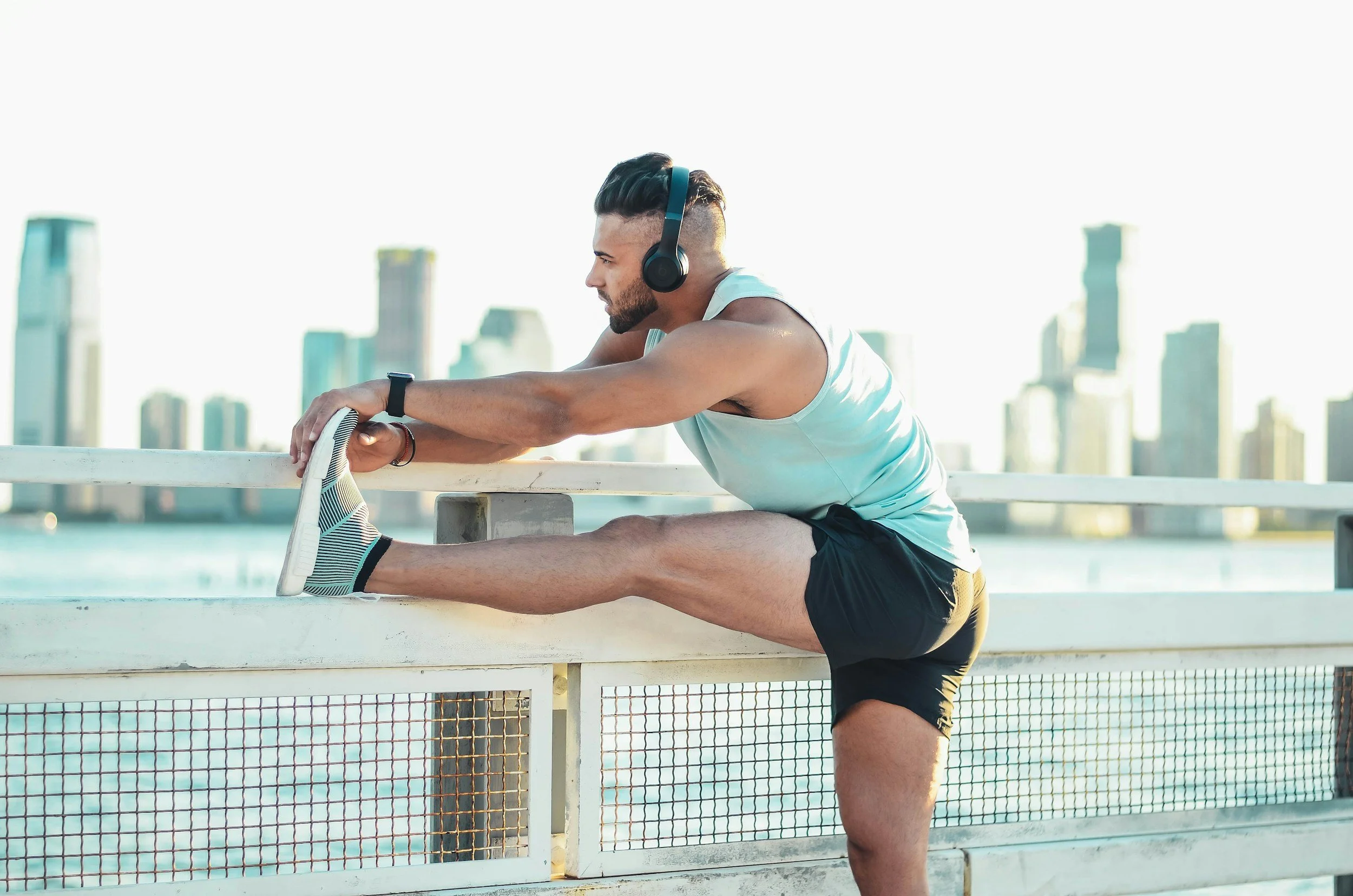
“‘Mobility’ is a kind of wonky term that refers to something quite beautiful: the harmonious convergence of all the elements that allow you to move freely and effortlessly through space and life. Everything is in sync—your joints, muscles, tendons, ligaments, fascia, nerves, brain, and the vasculature that runs through the body.”
“The fascial network is a sensory organ that informs our brain about our body’s position and movement.”
“Improve the quality of movement and you improve the quality of life itself.”
“Finally, we conclude that perhaps problems of flexibility/mobility should not be addressed with static processes, but with movement.”
“First move well, then move often.”
FOAM ROlling
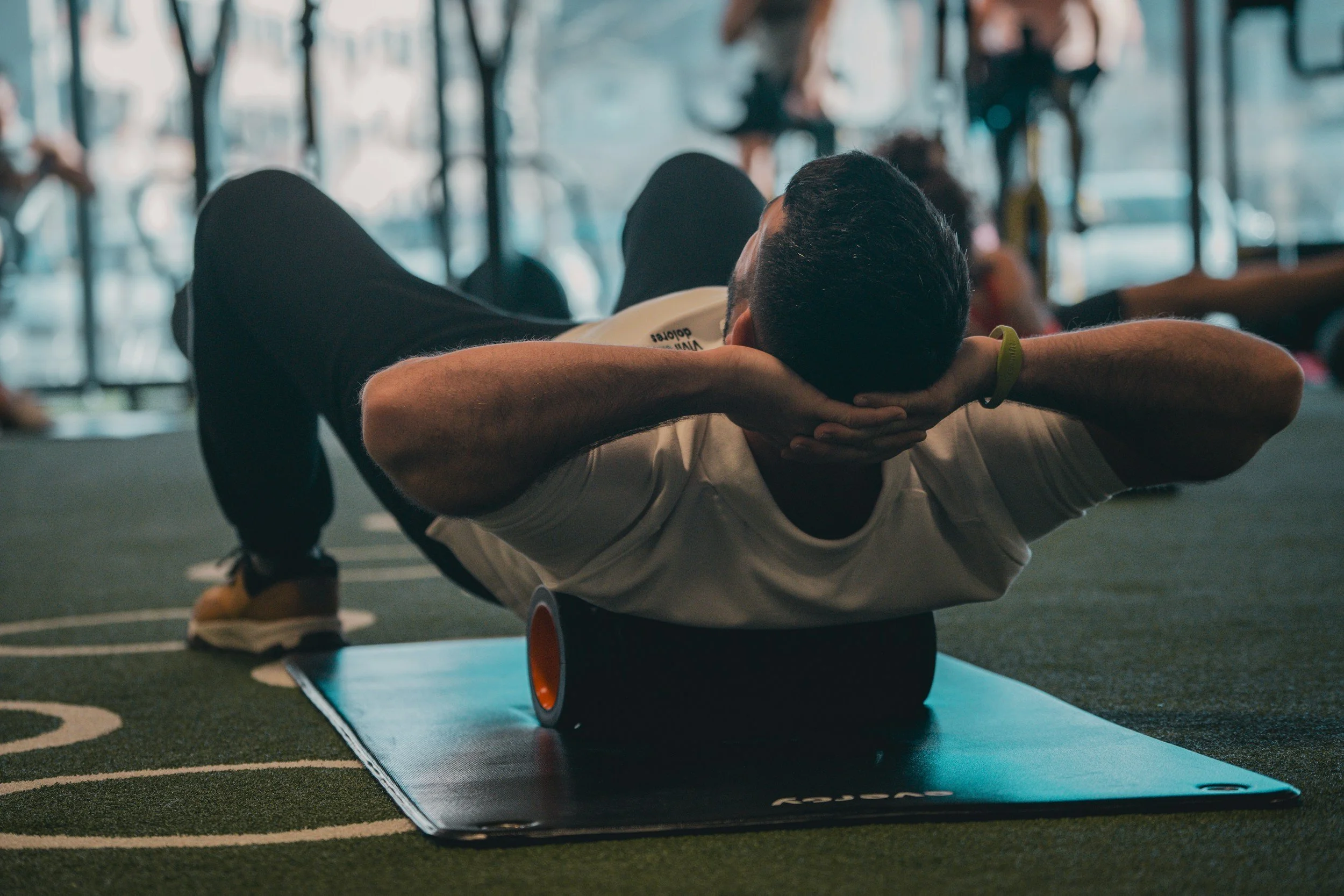
What foam rolling actually does:
Provides new input for the nervous system which can help to disrupt pain signals and relieve muscle tension

Prevents muscle soreness after a workout
Brings fresh blood and oxygen to targeted areas through compression
Increases range of motion
Can improve your mood!
Mobility myths
-
blehhh
-
Getting started is simple. Reach out through our contact form or schedule a call—we’ll walk you through the next steps and answer any questions along the way.
-
We combine a thoughtful, human-centered approach with clear communication and reliable results. It’s not just what we do—it’s how we do it that sets us apart.
-
You can reach us anytime via our contact page or email. We aim to respond quickly—usually within one business day.
-
Item description
-
Item description
-
Item description
-
Item description
-
Item description
“I always made sure my ankles were activated and moving. If your ankles are stiff, that can create problems in the knees, hips, back, and all the way up. So, I’d spend a lot of time before games working on my ankles—the core of the problem—so that I wouldn’t exacerbate the symptoms...Pain in one area of your body often stems from an imbalance somewhere else. With that in mind, it’s important to treat the root cause and not the effect.”
“[My first coach, Jelena Gencic] taught me and convinced me that if I stayed flexible, not only will I be able to move well around the court and be able to recover well after the matches, but also I’ll be able to have a long career.”
“Stretching is a fundamental part of my training. It helps me improve my range of motion, prevent muscle imbalances, and ultimately perform at my best.”
“Stretching is key to my game. It allows me to maintain my agility, prevent muscle tightness, and recover quickly between matches.”
“Stretching is a critical aspect of my preparation. It helps me increase my flexibility, optimize my range of motion, and ultimately swim faster and more efficiently.”
“Hamstring flexibility and hip mobility for me are the two most important factors on the field.”
“Stretching is a non-negotiable part of being a dancer. It helps me lengthen and strengthen my muscles, improve my balance, and express myself fully through movement.”
“Functional training and mobility work have been an absolute superpower for me. As an athlete, keeping my body moving without pain is everything.”
“Your mobility limits your strength. Improve movement first.”
“Stretching is an integral part of my training. It keeps my body supple, helps me prevent injuries, and allows me to perform those incredible feats of athleticism.”